March 30, 2026
Experiencing a water damaged home can be overwhelming, especially when moisture begins to affect structural components, indoor air quality, and overall livability. Taking the right steps early can significantly reduce long-term complications and help preserve the integrity of the property. From identifying moisture sources to addressing crawlspace conditions and structural concerns, a coordinated approach is essential for effective recovery. This guide outlines practical steps homeowners can follow to assess, manage, and restore a water damaged home with a focus on structural stability and moisture control. Establishing a clear plan early in the process can also help reduce uncertainty and keep restoration efforts organized.
Comprehensive Assessment of the Source and Extent of Damage
Identifying the Source of Moisture
The first step in addressing water damage is determining where the moisture is coming from. Common sources may include groundwater intrusion, storm-related flooding, or plumbing-related leaks within the structure. In some cases, water may accumulate in hidden areas such as crawlspaces, making detection more challenging. Identifying the origin allows for targeted mitigation efforts that prevent further spread and limit additional damage to structural components and materials. A clear understanding of the source also helps prioritize which areas of the water damaged home require immediate attention.
Evaluating Structural Impact
According to PaintingGuy, a large percentage of American homes (80%) are older than 20 years, making them prime candidates for renovations and upgrades. Water exposure can weaken foundational and load-bearing elements, including support beams and subflooring. Signs such as uneven floors, sagging areas, or visible deterioration may indicate deeper structural concerns. A thorough evaluation helps determine whether reinforcement or repairs are needed to maintain the safety and stability of the home. Early attention to these issues can prevent further degradation and support a more efficient restoration process. A compromised structure can significantly affect the condition of a water damaged home if not addressed promptly.
Initial Control of Moisture
Containing Affected Areas
Maintaining separation between affected and unaffected spaces also helps organize the workflow of cleanup and repair activities. By clearly defining boundaries, it becomes easier to focus on specific areas without unintentionally spreading moisture or debris. This approach supports a more structured and manageable restoration effort within a water damaged home. Clear organization at this stage can also reduce delays later in the process.
Improving Airflow and Reducing Humidity
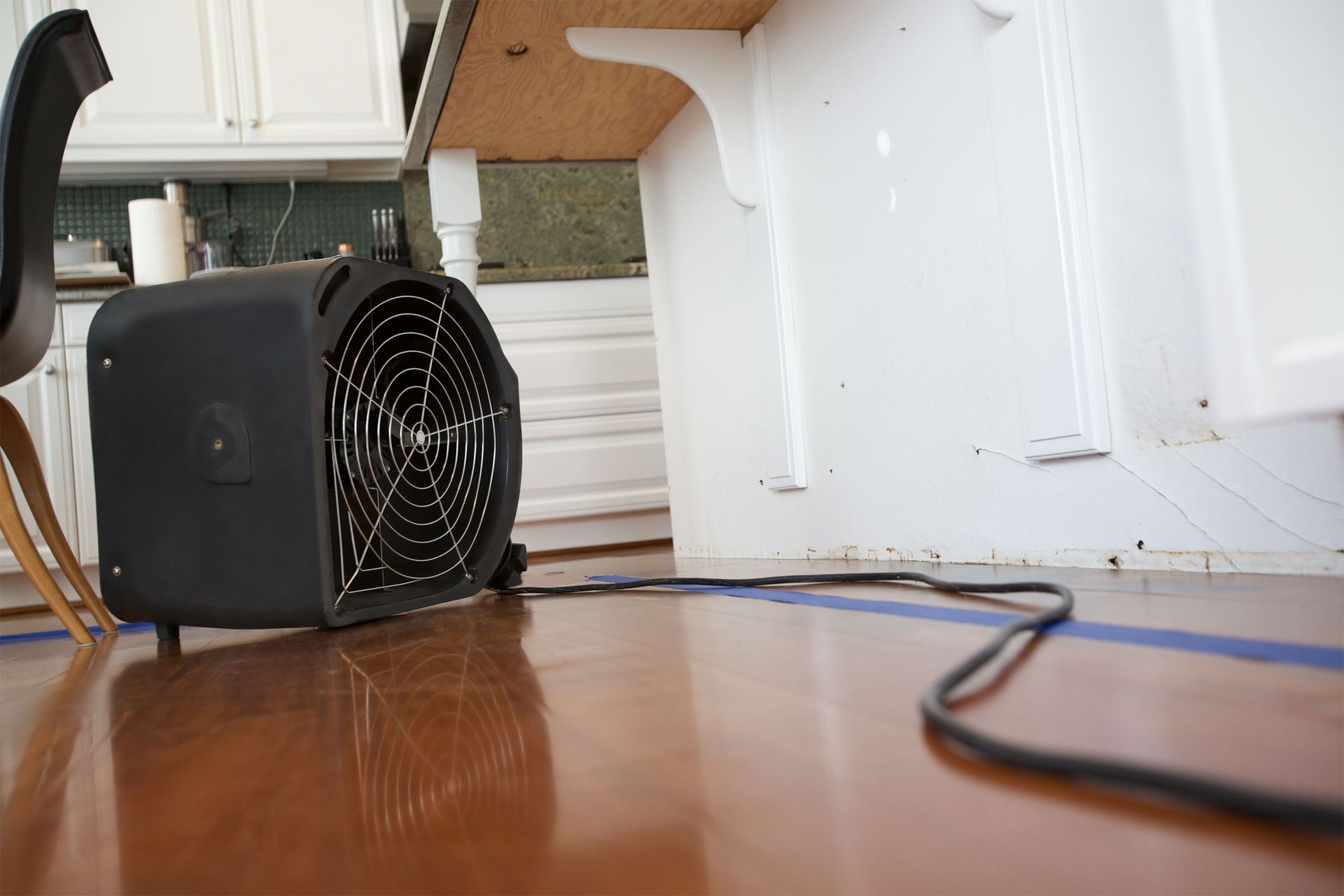
Encouraging airflow and reducing humidity levels can help slow the progression of moisture-related damage. Ventilation can assist in drying damp areas, while dehumidification helps remove excess moisture from the air. These efforts are especially important in enclosed spaces like crawlspaces, where stagnant air can contribute to mold growth and material deterioration. Maintaining consistent airflow can also help stabilize conditions throughout a water damaged home.
Addressing Standing Water
Above all else, standing water should be removed as quickly as possible to prevent further absorption into building materials. In crawlspaces and low-lying areas, water accumulation can impact structural components and create conditions favorable for mold development. Removing excess water and identifying how it entered the space are key steps in stabilizing the environment before more detailed restoration work begins.
Moisture-Related Cleaning and Remediation
Identifying Mold Growth
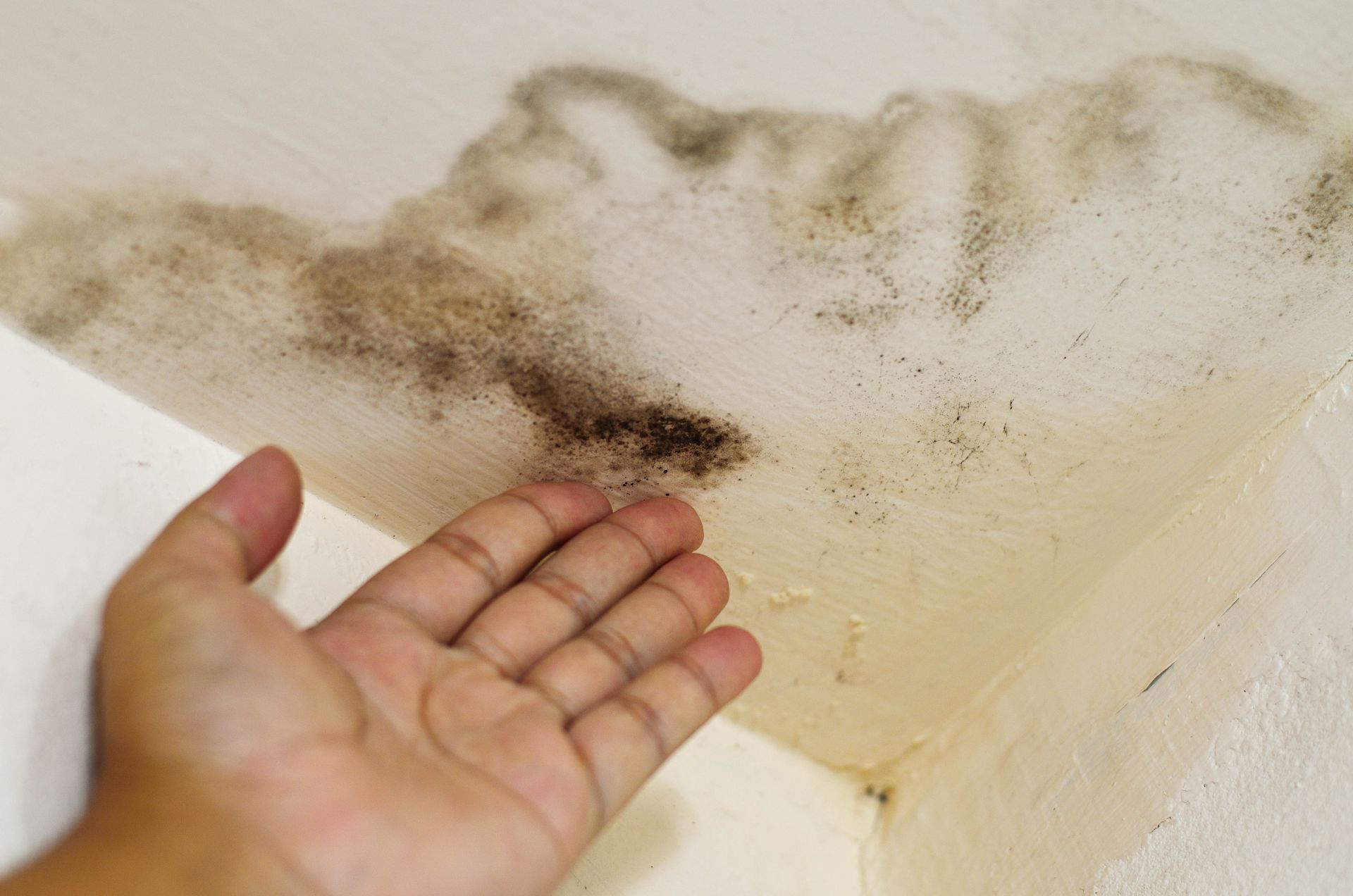
Mold can develop in moist environments, particularly in areas with limited airflow such as crawlspaces or enclosed structural cavities. Identifying mold presence early allows for appropriate remediation measures to be implemented. Visual inspection, odor detection, and moisture assessments are commonly used to determine the extent of contamination. Early identification is an important step in maintaining a safe environment within a water damaged home.
Addressing Mold and Moisture Conditions
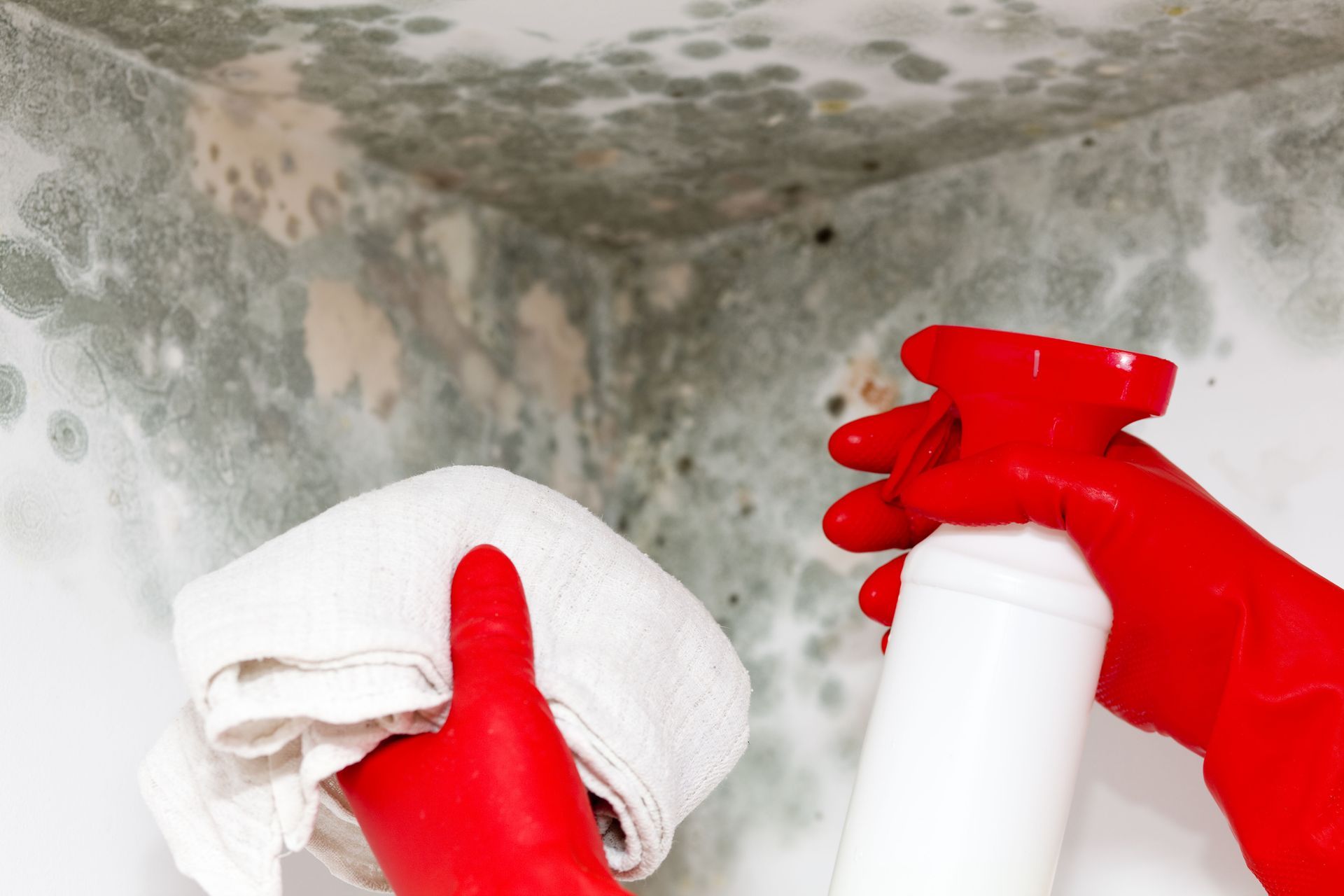
Once mold or excessive moisture is identified, remediation efforts focus on removing contaminated materials and treating affected surfaces. Controlling the underlying moisture source is equally important to prevent recurrence. Improving drainage, sealing vulnerable areas, and regulating humidity levels all contribute to creating a more stable and healthy environment. These steps support long-term improvements in a water damaged home by addressing both visible and underlying issues.
Protecting Indoor Air Quality
Moisture issues can impact indoor air quality by promoting the spread of airborne contaminants. Managing humidity levels, removing damaged materials, and addressing mold growth can help improve overall air conditions inside the home. Maintaining a dry and well-ventilated environment supports both structural integrity and occupant comfort. These efforts contribute to a healthier living environment within a water damaged home.
Structural Repair and Restoration
Reinforcing Support Structures
Structural components such as beams and subflooring may require reinforcement if they have been weakened by moisture exposure. Repairing or replacing compromised elements helps restore stability and ensures the home can safely support everyday use. These repairs are a critical part of the overall restoration process and should be guided by a thorough assessment of damage. Proper reinforcement contributes to the long-term condition of a water damaged home.
Repairing Crawlspace Systems
Overall, crawlspace systems often require targeted improvements to address moisture intrusion and improve long-term performance. This may include installing vapor barriers, improving insulation, or making structural repairs within the crawlspace. Properly addressing this area helps reduce humidity levels and limits the conditions that contribute to mold growth and material degradation. These improvements play a key role in stabilizing a water damaged home.
Improving Drainage and Moisture Management
Effective drainage systems play an important role in preventing future water intrusion. Solutions such as sump pump installation and drainage improvements help redirect water away from vulnerable areas of the home. By managing how water moves around and beneath the structure, homeowners can reduce the likelihood of recurring damage and maintain a more stable environment. Proper drainage is especially important in maintaining a water damaged home over time.
Practical Restoration and Home Improvement Considerations
Restoring Affected Living Spaces
Once moisture issues have been addressed, restoration efforts may extend to interior living spaces impacted by water damage. This can involve repairing damaged materials and improving affected areas as part of a broader recovery process. Coordinating structural repairs with interior improvements helps ensure the home is both functional and consistent with its original condition. Restoration work contributes to returning a water damaged home to usable condition.
Planning Renovations Where Needed
In some cases, water damage may reveal opportunities to update or improve portions of the home. Remodeling efforts can be integrated into the restoration process to enhance usability and overall layout. Whether addressing a single room or multiple areas, thoughtful planning helps align repairs with long-term goals for the property. Renovation planning can be an important part of improving a water damaged home.
Coordinating Insurance-Related Processes
When applicable, documenting damage and working through insurance-related procedures can support the restoration process. Maintaining organized records of affected areas, structural concerns, and completed repairs can help streamline communication and ensure clarity throughout the recovery timeline. This coordination helps align restoration work with required documentation and project planning.
Restoring a water damaged home requires a methodical approach that addresses moisture control, structural integrity, and long-term prevention. By identifying the source of the issue, stabilizing affected areas, and completing necessary repairs, homeowners can effectively recover from damage while improving the resilience of their property. With the right combination of assessment, remediation, and structural restoration, it is possible to return a home to a safe and functional condition. For professional assistance with crawlspace services, structural repairs, and water damage restoration, Priority Home Solutions provides comprehensive support tailored to these needs.