February 6, 2026
When planning a home improvement project, one of the most critical decisions you'll face is whether to tackle the work yourself or hire a professional to manage the entire process. DIY projects can seem appealing with promises of cost savings and the satisfaction of completing work with your own hands, but they also come with risks, time commitments, and potential complications that many homeowners underestimate. On the other hand, hiring a general contractor brings expertise, efficiency, and accountability to your project, though at a higher upfront cost that makes some homeowners hesitate. Understanding the true advantages and disadvantages of each approach, along with the specific factors that should influence your decision, helps ensure you make the right choice for your particular situation and project type.
Understanding What General Contractors Actually Do
Before deciding between DIY and professional help, it's important to understand exactly what value a general contractor brings to construction and renovation projects. A contractor manages every aspect of a project from initial planning through completion, coordinating subcontractors, scheduling inspections, ordering materials, and ensuring work meets code requirements. They handle building and construction permits that many DIYers don't know how to obtain and navigate the complex approval processes that vary by jurisdiction. Their experience allows them to anticipate problems, solve issues efficiently, and deliver results that meet professional standards rather than amateur attempts that may look acceptable but hide serious flaws.
Evaluating Your Skill Level and Experience Honestly
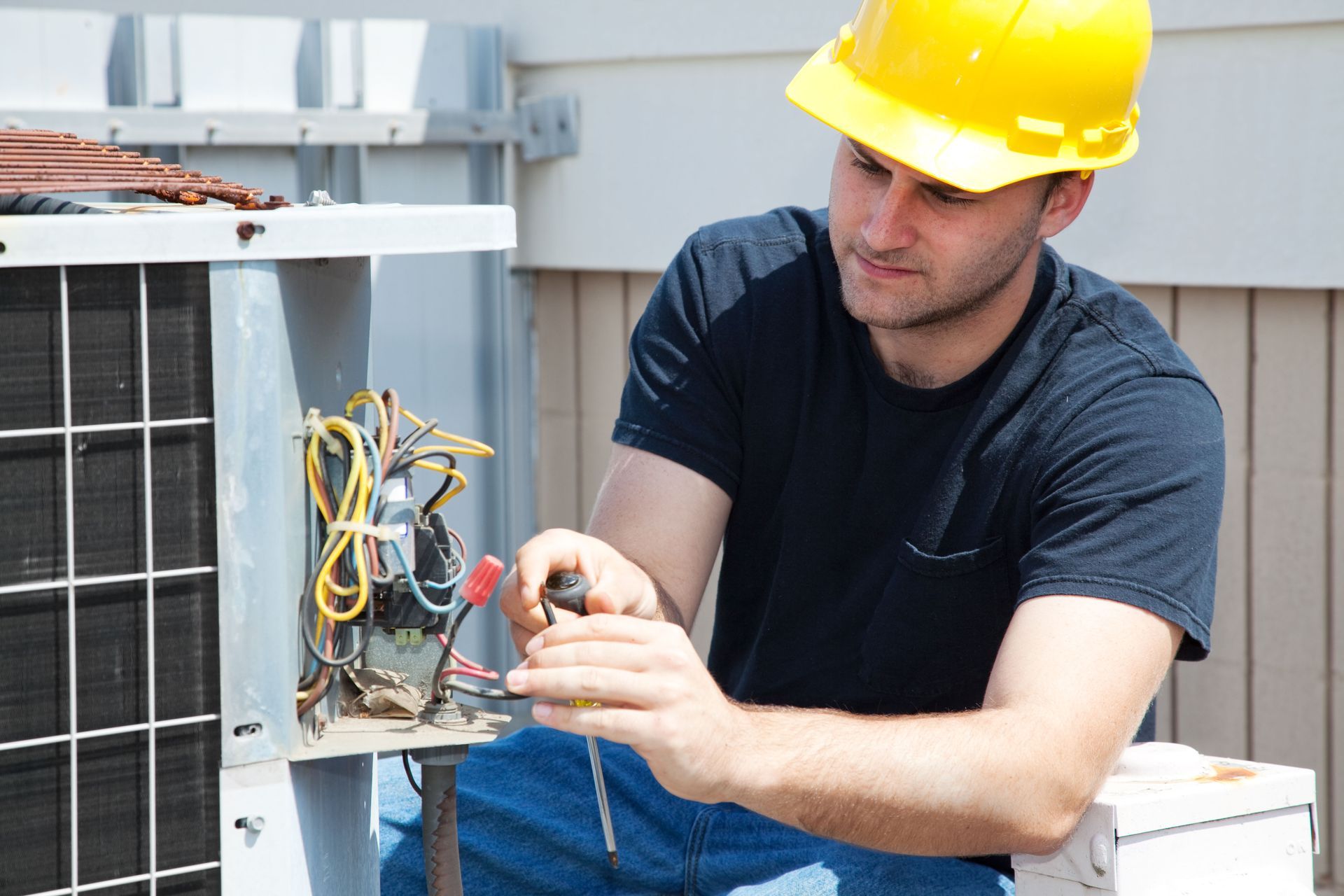
The success of any DIY project depends heavily on having realistic assessments of your own skills, experience, and limitations rather than overconfidence that leads to costly mistakes. Simple projects like painting, installing fixtures, or basic landscaping fall within the capabilities of most homeowners with basic tools and some research or instructional videos. However, complex work involving structural changes, electrical systems, plumbing, or specialized techniques requires knowledge that takes years to develop and mistakes can create safety hazards or code violations. When projects involve new home construction, additions, or structural modifications, the expertise of a contractor becomes essential rather than optional for ensuring work is done correctly and safely.
Considering Time Investment and Project Timelines
DIY projects almost always take significantly longer than professional work because homeowners lack the experience, tools, and efficiency that come from doing similar work repeatedly. What a professional crew might complete in a week could easily stretch to months for a DIYer working evenings and weekends around a full-time job and family obligations. This extended timeline creates ongoing disruption to your home and daily life that many people underestimate when they enthusiastically begin projects. A general contractor brings crews that work full days, coordinates multiple trades to work efficiently without delays, and has the project management skills to keep work moving forward on schedule.
Analyzing True Costs Beyond Materials
While DIY projects eliminate labor costs, the total expense calculation must include tools, equipment rentals, wasted materials from mistakes, and the value of your time invested over weeks or months. Homeowners often discover they need specialized tools for one-time use that professional contractors already own, and buying or renting these tools adds significantly to project costs. According to RubyHome, new roofing and garage doors offer a 100% ROI, but the average cost recovery rate for remodeling projects is 56%, highlighting how poor execution can actually decrease rather than increase home value. When you factor in the cost of fixing DIY mistakes, many homeowners discover that hiring a general contractor from the beginning would have actually cost less while delivering superior results.
Understanding Permit Requirements and Code Compliance
Many homeowners don't realize that the most significant renovation work requires permits and must meet specific building codes, regardless of whether you DIY or hire professionals. Attempting work without proper permits can result in fines, forced removal of completed work, difficulties selling your home, and denied insurance claims if unpermitted work contributes to damage. Building and construction permits require detailed plans, inspections at various stages, and final approval before work is considered complete and legal. A contractor handles all permitting requirements, knows what inspectors look for, and ensures work complies with all applicable codes that protect your safety and your home's value.
Assessing Risk and Liability Considerations
DIY work places all liability for injuries, property damage, and code violations directly on you as the homeowner, creating financial and legal risks that many people don't consider. If you're injured during DIY work, your health insurance may be your only protection, whereas professional contractors carry workers' compensation insurance for their employees. Professional contractors also carry liability insurance that protects you if their work causes damage or if someone is injured on your property during construction. When you hire a contractor with proper insurance coverage, you transfer these risks away from yourself and gain protection that DIY work cannot provide.
Considering Quality and Professional Standards
Even when DIY projects appear cosmetically acceptable, they may not meet professional standards or building codes, potentially creating problems that aren't immediately apparent. Professional work includes attention to details like proper flashing, adequate ventilation, correct fastening techniques, and appropriate materials that DIYers often overlook or don't understand. A general contractor's reputation depends on delivering quality work, giving them strong motivation to ensure projects meet high standards that will stand up to scrutiny and time. Years of experience also mean professionals know the best practices, most reliable materials, and proper techniques that produce lasting results rather than projects that look good initially but fail prematurely.
Making the Decision Based on Project Type
The DIY versus contractor decision should ultimately be based on an honest assessment of the specific project, your capabilities, available time, and acceptable risk levels. Simple cosmetic projects like painting, basic landscaping, or installing pre-made elements are generally safe and appropriate for capable DIYers willing to invest the time. However, projects involving structural work, systems upgrades, additions, crawlspace modifications, or any work requiring permits should generally be handled by professionals to ensure safety and code compliance. A contractor brings the most value on complex projects where coordination, expertise, and accountability matter more than the cost savings of doing work yourself.
Finding the Right Balance for Your Situation
Some homeowners find a middle ground by handling demolition, painting, or finish work themselves while hiring professionals for technical aspects requiring expertise and permits. This hybrid approach can reduce costs while ensuring critical work meets professional standards and code requirements. However, contractors may be reluctant to warrant work when homeowners handle portions of the project, as they cannot control the quality of all aspects. When considering any approach, prioritize safety, code compliance, and long-term results over short-term cost savings, which may prove more expensive if amateur work must be redone professionally.
The decision between DIY and hiring a general contractor should be based on a realistic assessment of project complexity, your skills and available time, budget considerations, and the importance of professional results and warranty protection. While DIY projects offer satisfaction and potential savings for appropriate tasks, complex renovations, structural work, and projects requiring permits are almost always better handled by experienced professionals who bring expertise, efficiency, and accountability to the job. Understanding what you're truly capable of accomplishing yourself, what the real costs will be, and what risks you're accepting helps you make informed decisions that lead to successful projects rather than expensive lessons in why professionals exist. When your project requires professional expertise, coordination of multiple trades, or involves additions, crawlspace work, new home construction, insurance restoration, water damage restoration, fire damage restoration, or tree strike restoration, Priority Home Solutions, LLC is ready to help with the experience and professionalism your project deserves. We provide prompt estimates, carry comprehensive liability insurance, and handle all building and construction permits to ensure your project is completed correctly, legally, and to your complete satisfaction. For more information, contact us today!